
 Phone
+44 (0)203 4882 308
Phone
+44 (0)203 4882 308

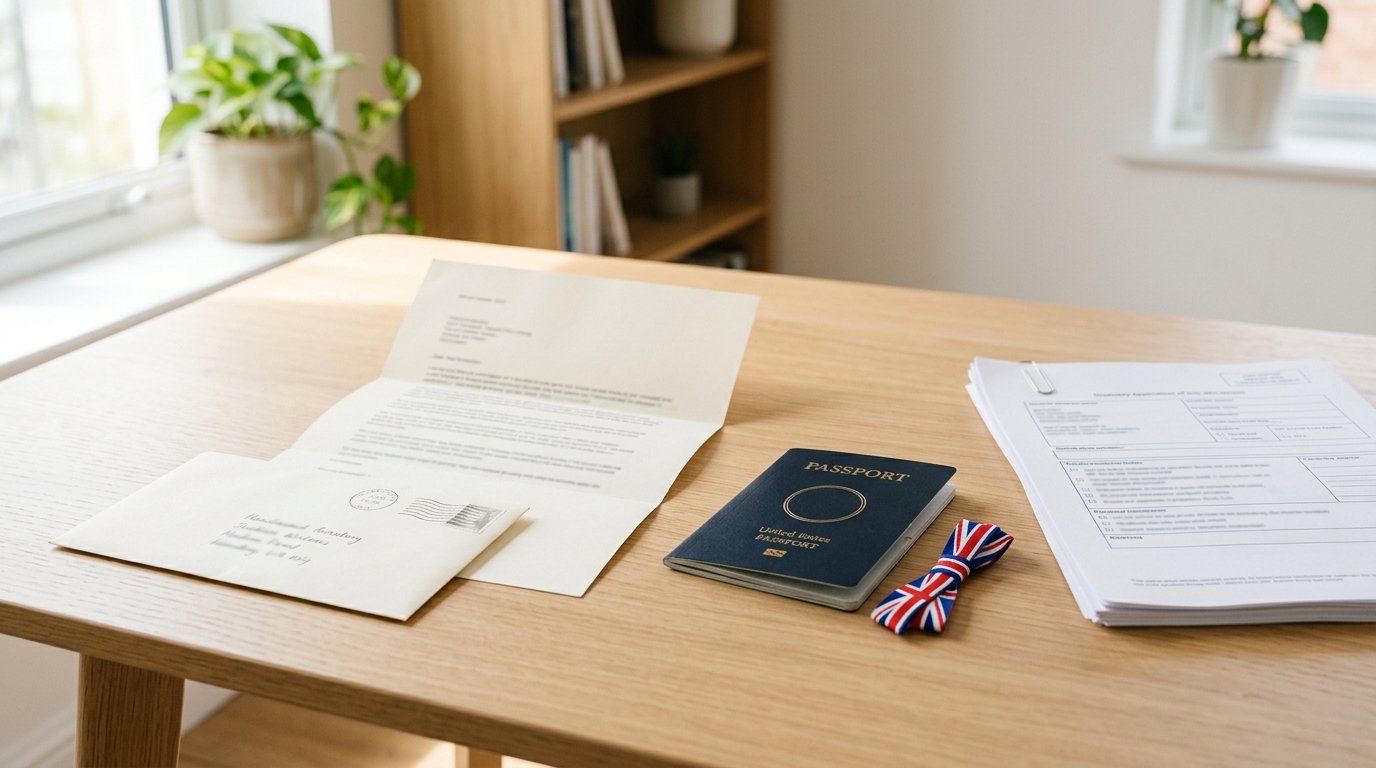
A British citizenship decision letter is the Home Office (UKVI) written decision on your application for British citizenship. It tells you whether you were granted or refused — and what official steps come next. For most adults, an approval letter is not the moment you become British; the ceremony usually still sits ahead.
At a high level you are on one of two paths: grant (ceremony ? certificate ? deal with any BRP as instructed ? passport) or refusal (read the reasons ? Form NR reconsideration, or a fresh application where that fits).
Questions about waiting for a decision sit on our separate overview: British citizenship application decision overview. This page stays on the letter and the next steps.
General information as at 8 September 2026. It is not advice on your facts. Worldwide Immigration Ltd is an IAA-regulated immigration advice organisation (Ref F201900032). Advisers are not SRA-regulated solicitors.
What a British citizenship decision letter is
It is the Home Office / UKVI written decision on your application for British citizenship: grant or refuse, plus pointers to the next official steps.
When it arrives, check:
- - name spellings against your passport and other identity documents
- - Home Office / UKVI reference numbers
- - clear grant vs refuse language
- - whether you have a ceremony invitation (sometimes with the decision pack, sometimes separately) and the local authority contact details
Most people confuse the decision letter with becoming a citizen. For adults, GOV.UK successful-applicants guidance is clear: you are not a British citizen until you have attended the citizenship ceremony. The certificate is presented at the end of that ceremony.
Sources: Citizenship ceremonies; Citizenship ceremonies: guidance notes; After you’ve applied.
If your application is successful: next steps
Book and attend your citizenship ceremony
If you are 18 or over and the application succeeds, you must attend a citizenship ceremony. Book with the local authority named on your Home Office invitation. Take the invitation with you — without it, the ceremony may be postponed.
GOV.UK: attend within 3 months of receiving the invitation. Guide AN (July 2026): arrange and attend within 90 days of the invitation; the date by which you must attend will be on the invitation itself. Use that date. If anything is unclear, ask the local authority first, then UKVI if needed.
Ceremonies are usually in groups. You can ask for a private one (often extra cost). Two guests are usually allowed. You make an oath or affirmation of allegiance and a pledge, then receive your certificate of British citizenship.
If you applied in the UK, you cannot normally have the ceremony abroad. Short trips abroad may mean postponing until you return — but you must still book within the invitation window.
Sources: Citizenship ceremonies; Ceremony guidance notes; Guide AN (July 2026).
Your certificate of British citizenship
Your certificate is legal evidence that you have acquired British citizenship. Keep it safe. Do not laminate it or alter it unofficially.
Names on the certificate must match any other passport or travel document you hold. Passport Office will not normally issue a British passport in a different name. Fix the mismatch on the other document before you apply.
If details on the invitation or certificate are wrong, successful-applicants guidance still says: arrange and attend the ceremony, then return the certificate for amendment to the UKVI address on GOV.UK.
Source: Ceremony guidance notes.
Your BRP after citizenship (if you have one)
Official guidance on what to do with a biometric residence permit (BRP) after you become a British citizen is not entirely consistent:
- - GOV.UK “After you get your certificate” currently describes returning the BRP within 5 working days (cut into 4 pieces; windowless envelope; note with name, date of birth and document number) to Naturalisation BRP Returns, PO Box 195, Bristol, BS20 1BT, and warns of a fine of up to £1,000 if you miss that window.
- - Guide AN / Form AN wording also refers to destroying the BRP after the ceremony.
Do not treat postal return as the only possible instruction in every case. Follow the latest Home Office guidance that applies to you and any instructions in your own Home Office correspondence. If the two conflict, raise it with UKVI (or your adviser) before you act.
Source: After you get your certificate; Guide AN (July 2026).
Apply for a British passport
Once you have the certificate, apply through the official GOV.UK passport service if you need one. Your passport photo must meet current HM Passport Office requirements. The photograph used with your citizenship application is unlikely to be acceptable for a new passport application.
A citizenship certificate is not a travel document. You normally enter the UK with a British passport. A certificate of entitlement to the right of abode may also be relevant for some travellers — check the live GOV.UK guidance for your situation. Do not rely on the citizenship certificate alone (or an old BRP) to enter the UK.
Sources: After you get your certificate; Apply for a UK passport; Ceremony guidance notes.
If your application is refused: Form NR and your options
A refusal letter should explain the reasons. The nationality forms guide says there is no legal right of appeal or review for these nationality decisions in the sense described there. UKVI will still consider representations if you believe the decision was not soundly based on law, policy or procedure.
That request uses Form NR (Request to reconsider application for British citizenship after refusal). A fee applies. Send the completed form and fee to the postal address on the Form NR publication page. The Home Office expects a reconsideration request to be made within 6 months of the refusal.
Form NR is not an immigration appeal, and it does not promise a different outcome. If new evidence has changed your position, a fresh application may fit better than NR — that depends on the refusal reasons and your documents. Deeper overview: What are your options if your citizenship application is refused.
Sources: Form NR; Nationality forms guide (accessible).
Common mix-ups after the letter
- - Approval letter ? already a citizen for most adults — ceremony still required.
- - Decision letter vs ceremony invitation — keep both; book from the invitation.
- - Certificate ? travel document — you normally need a British passport (a certificate of entitlement to the right of abode may also be relevant).
- - Names and photos — align names across documents; use a passport photo that meets current HMPO rules.
How IAA immigration advisers can help at this stage
IAA-regulated immigration advisers can help with document and name checks before the ceremony and passport application, reading a refusal letter against GOV.UK criteria, and readiness for Form NR versus a fresh application.
Start with our British citizenship advisers hub, or British citizenship advisers in London.
Book a consultation: Contact Worldwide Immigration · +44 203 488 2308 · inquiry@worldwideimmigration.co.uk
Related reading
- - British citizenship application decision overview (waiting / decision-wait questions only)
- - British citizenship advisers
- - British citizenship advisers in London
- - Options if your citizenship application is refused
- - ILR to British citizenship
FAQ
What does a British citizenship decision letter mean?
It is the Home Office (UKVI) written decision on your application for British citizenship — grant or refuse — and it points to the next official steps. For adults, an approval letter is not usually the final moment of becoming a citizen. You normally still need the ceremony and certificate. A refusal letter should explain the reasons and may lead to Form NR or a fresh application.
Am I a British citizen as soon as I get an approval letter?
Usually not if you are 18 or over. Successful-applicants guidance: you are not a British citizen until you have attended the ceremony.
What happens next after a successful decision?
Book and attend the ceremony with the local authority on your invitation, within the attendance window on GOV.UK / your invitation. Make the oath or affirmation and pledge, receive your certificate, follow the latest Home Office instructions for any BRP, then apply for a British passport through the official service if you need one.
How do I book a citizenship ceremony, and what is the attendance window?
Contact the local authority on the invitation. Attend within 3 months of the invitation (GOV.UK ceremonies page). Guide AN also says arrange and attend within 90 days of the invitation. Take the invitation with you.
What is Form NR, and when is it used after a refusal?
Form NR asks UKVI to reconsider a refused nationality application if you believe the decision was not soundly based on law, policy or procedure. There is no general legal right of appeal or review in the sense described in the nationality forms guide. NR is a separate paid reconsideration request. The Home Office expects it within 6 months of the refusal.
Can I travel on my citizenship certificate alone?
No. A citizenship certificate is not a travel document. You normally enter the UK with a British passport. A certificate of entitlement to the right of abode may also be relevant in some cases — check live GOV.UK guidance.
What should I do with my BRP after I get my certificate?
Follow the latest Home Office guidance and your own correspondence. GOV.UK currently describes returning the BRP within 5 working days to Naturalisation BRP Returns in Bristol; Guide AN / Form AN also refers to destroying the BRP after the ceremony. If instructions conflict, clarify with UKVI before you act.
When can I apply for a British passport after citizenship?
After the certificate — via the official GOV.UK passport service, with a photo that meets current HMPO requirements and matching names across documents.